Search Results
Search Results
Title Results
Your search returned 886 Titles
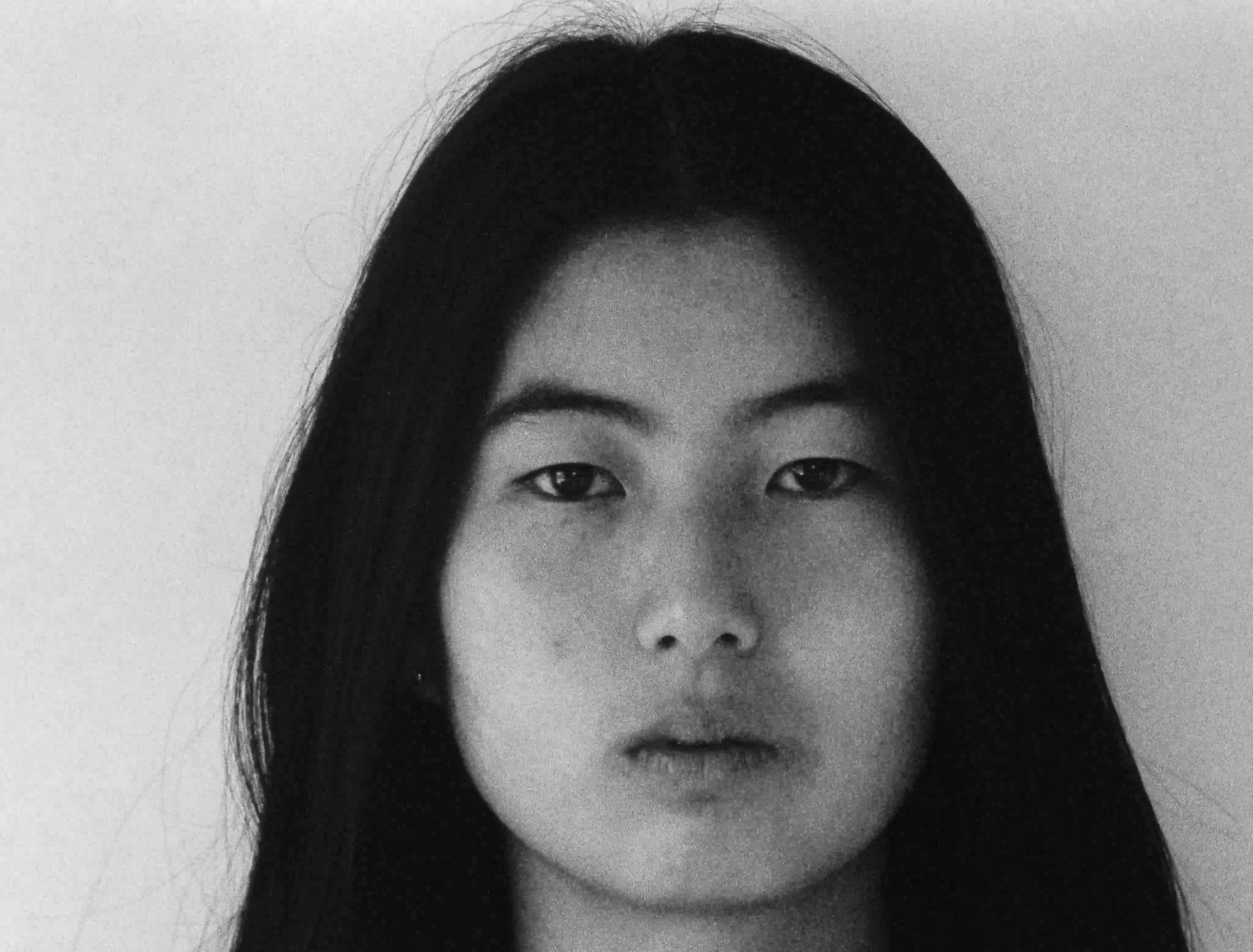
The artist's sister is the subject of this structuralist work, which was originally created as a film. Cha herself appears in a single frame.
.jpg "Petpourri")
Petpourri spotlights the career of Marc Morrone, a pet store owner, TV host, and local celebrity from the artist’s hometown of Long Island, NY. The video is set in a speculative universe based on the controversies of Morrone’s 1996 public access television program, The Pet Shop with Marc Morrone (later titled Petkeeping with Marc Morrone). Petpourri creates a story of doubtful authenticity as the artist plays a deranged superfan who believes themself to be a genetic clone of Morrone. The demands of pet ownership and excessive media attention collide in an overexaggerated retelling of events as a bevy of side characters obsess over the exaggerated details of Morrone’s life. Petpourri was commissioned by The Shed for their 2023 Open Call exhibition.
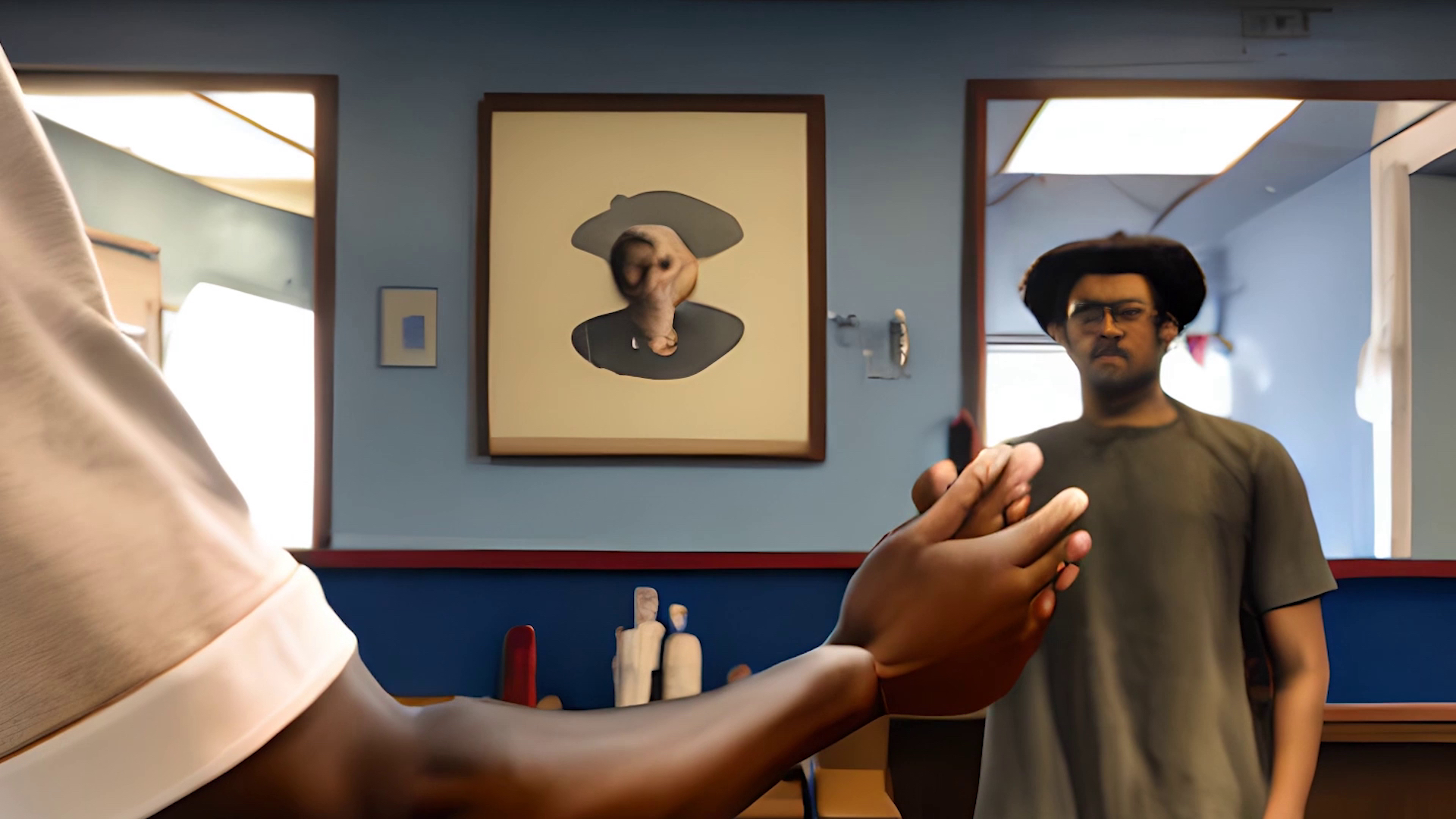
This video was initially part of a sculptural installation, comprised of a barbershop station extracted from Perry’s Newark studio (a former salon) — shelves, mirror and all. In the video, the artist crosses the screen in a shot that reflects where the viewer would have stood in the original...
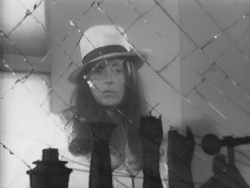
Philly documents a 1976 performance at the Philadelphia Museum of Art, in which Wilke interacts with Marcel Duchamp's Large Glass. Edited by John Sanborn, the piece juxtaposes behind-the-scenes dialogue and preparations with the performance itself, showing us a playful Wilke.

A home-movie paean to the Marquis de Sade, Philosophy in the Bedroom plumbs the depths of boudoir small talk.
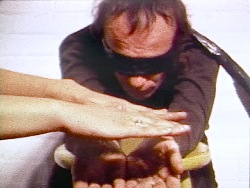
This is one of several exercises that explore the notion of extreme concentration. Blindfolded, Acconci attempts to intuite the position of another person's hands over his body.
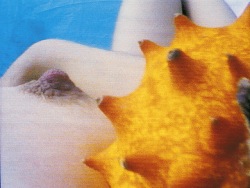
In this visual evocation of sex and sexuality, a man and woman stage an elaborately choreographed courtship ritual, edited with Rist's usual attention to the syntax of mass media. As a driving bass sample plays, a surveillance camera makes low-flying journeys across the bodies of the actors, yielding images at once familiar and distancing.

Composed in twenty-two movements that coalesce into a haunting psychic journey, the enigmatic Pictures of the Lost evokes states of heightened consciousness, symbolic and ritual gesture, and spiritual transformations. Buckner's dreamlike, rhythmic visions, rendered in saturated hues, create a...
Pilobolus and Joan is a dance/narrative journey of transformation, a theatrical search for self and love based on Carol Emshwiller's story Metamorphosed. In this inversion of Kafka's Metamorphosis, a cockroach awakens as a man — actually a four-man being, as enacted here by members of the...